







Love it, hate it, indifferent to it or ignorant of it: the menstrual cycle is a fascinating, eye-opening (not to mention often painful and inconvenient) phenomenon.
Depending on whether you’re taking contraception (and what form), it can be a hormonal roller-coaster, an influx of ever-changing discharge and a sometimes-joyful, sometimes-torturous tour through all the various moods and temperaments the mind (and hormones) can come up with. And one particularly interesting phase? Ovulation.
What exactly is ovulation?
“Ovulation is the process in which a mature egg is released from an ovary and is taken up by a fallopian tube,” says Claire Bailey, Consultant Gynaecologist and Founder of The Vulval Clinic, adding that this tends to happen around the fourteenth day of the menstrual cycle, but that this can vary.
“The brain produces follicle-stimulating hormone (FSH) which stimulates follicles in the ovaries to develop,” Bailey continues. “As follicles grow, they produce oestrogen. Oestrogen levels peak by day 10 [of the menstrual cycle] which triggers the brain to release a surge of luteinising hormone (LH). It is this LH surge that leads to [the] release of the egg from the dominant follicle – ovulation. The finger-like ends of the fallopian tube trap the egg and send it along the tube.”
It’s safe to say, then, that ovulation is a pretty complex system; and, as with all complicated bodily processes, it can affect the wider body in a myriad of ways.
What happens to the vulva and vagina?
Dr. Betsey Greenleaf, DO FACOOG (Distinguished) is a board-certified urogynaecologist and CEO of The Pelvic Floor Store. “Changes in the vagina related to hormonal changes and blood flow can cause the vulva and vagina to swell, becoming more sensitive,” she says, pointing out that some people experience a state of heightened arousal during this time.
Bailey adds that the vagina may feel different inside: “Because the cervix moves higher to facilitate entry of sperm,” she explains. “It may be more difficult to reach and feels softer and more moist.”
What happens to vaginal discharge?
If you’re not on a form of contraception that suppresses ovulation, you’ll likely be clued-in as to whether or not you’re ovulating just by having a swift look at a piece of toilet paper when you go to the loo. Bailey describes an “altered vaginal discharge, which can be heavier than normal and described as wet and stretchy; often likened to egg white.”
Bailey explains that this discharge reflects cervical mucus, which changes to allow sperm easier passage into the womb and fallopian tubes so that eggs can be fertilised; and Greenleaf says this vaginal discharge acts as a flush to the vagina, “flushing out irritants that could prevent pregnancy and helping to balance the pH and microbiome of the vagina.”
What happens to energy levels?
“Energy levels can peak with ovulation, with the high circulating oestrogen and testosterone levels,” says Bailey. This can correspond with a mood boost and increased libido, again due to the aforementioned hormones.
“After ovulation, there is a drop in these hormones followed by an increase in progesterone,” explains Greenleaf. “Progesterone has a sedative effect on the body, raises body temperature and increases bodily expenditure of energy, all leading to a lull and fatigue after ovulation.”
What happens to bowel movements?
As it turns out: quite a lot. “Rising progesterone affects the peristalsis, or movement of the bowels, affecting the intestines,” explains Greenleaf. “Some women have digestive complaints such as increased gas, cramping and constipation”. Bailey agrees, adding bloating into the mix following ovulation – again thanks to high circulating levels of progesterone.
Is there any pain or bleeding?
There can be, and if you’re concerned you should always make an appointment with a healthcare professional. However, any pain or bleeding as a result of ovulation is unlikely to be cause for concern.
“[There can be] associated short-lasting pelvic pain that is usually unilateral and corresponds to the ovary that the egg has been released from,” says Bailey. “This phenomenon is termed ‘Mittelschmerz’.”
Bailey also describes “mid-cycle bleeding” during ovulation, which is “characteristically spotting in nature and is a result of changing oestrogen levels”.
Does anything else happen to the body during ovulation?
Well, according to Bailey: “Some women experience a heightened sense of smell following ovulation,” which is a “primal response to be drawn to the male sex scents”. This makes sense, considering women are at their most fertile during ovulation.
Who knew? Ovulation demonstrates the vast amount of changes that the human body is capable of in just a couple of days; but, as ever, if you’re concerned about any bodily or hormonal changes it’s best to get it checked by a professional just in case.
Is it possible to track ovulation?
Yes! There are various ways you can track your cycle and ovulation date. Some at-home methods include:
- Charting your daily body basal temperature
- Using ovulation predictor urine kits
- Utilising saliva ferning predictor kits
- Observing changes in your cervical mucus
- Charting dates on a calendar to track your cycle manually
- Making use of smartphone apps or ovulation-tracker devices
Methods such as recording your daily temperature can be a hassle to keep up with, and calendar manual tracking is highly unreliable if your cycle tends to be irregular.
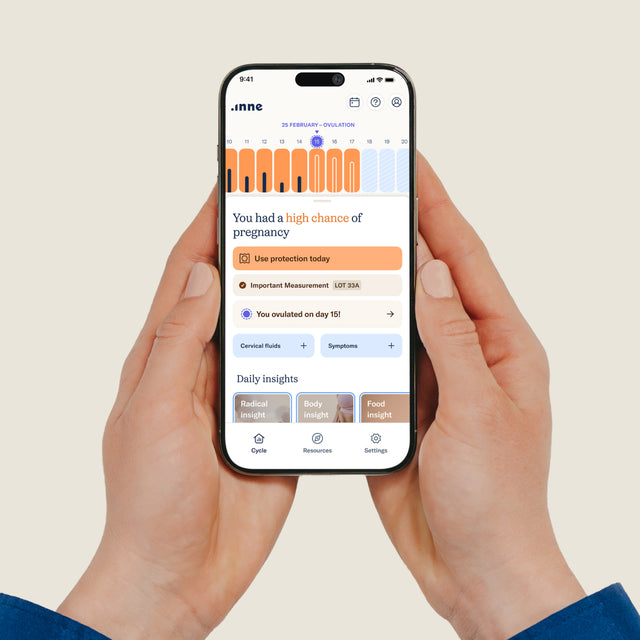
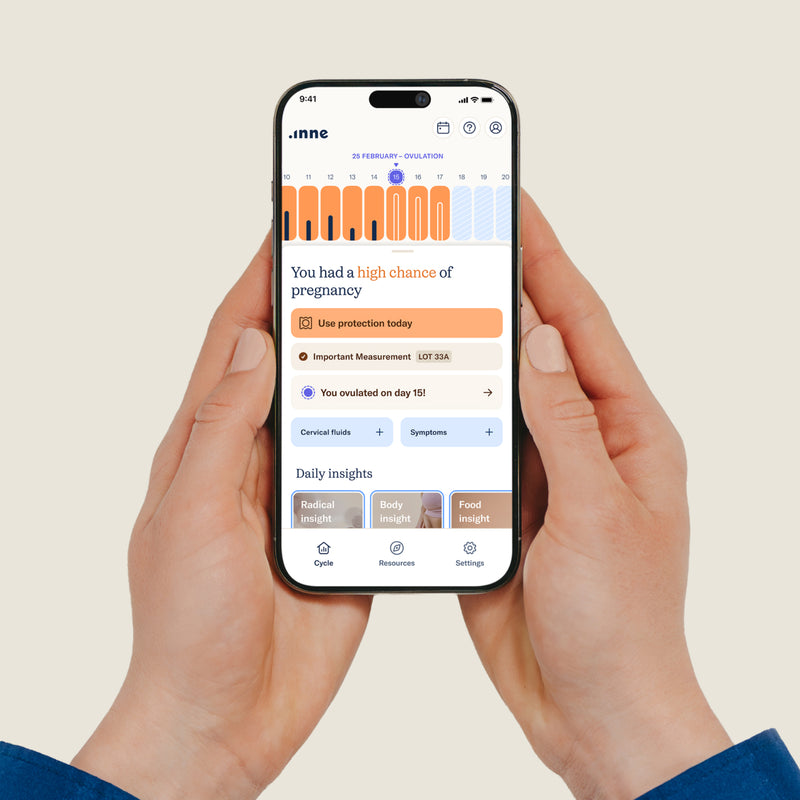
One excellent option that overcomes these limitations is the science-backed tool called the inne minilab. You’ll no longer have to keep a watchful eye on ovulation symptoms or tediously calculate and record dates on your calendar. Instead, this device allows you to keep track of your cycle with lab-grade accuracy through simple saliva tests.
All your results can be viewed and analysed in a companion app on your smartphone, allowing you to learn more about your cycle. By directly measuring your hormone levels, this smart tool depicts your unique hormone curve, confirms when ovulation has taken place and predicts when your ovulation is likely to occur in the following month.


